Braces for kids, teens and adults
Braces, done with a smile
Braces have been straightening teeth for a very long time, and there’s a reason they’re still around: they work. They can handle almost any bite, from a bit of crowding to a big overbite.
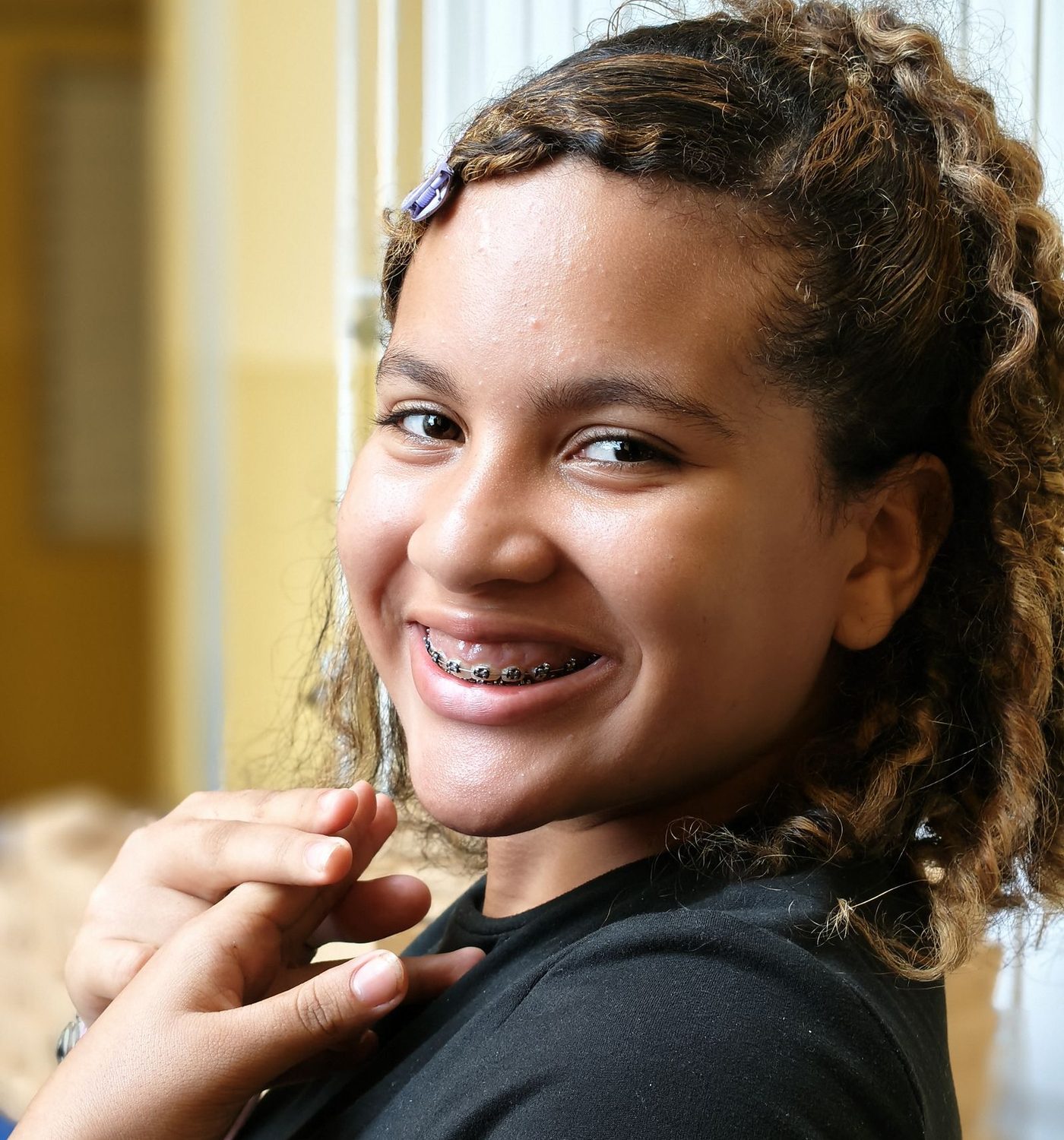
You can’t take them out, so you can’t forget to wear them either. And these days they’re smaller and more comfortable than the ones your parents remember.
Dr. Sheldon Salins puts braces on kids, teens and adults at our Union City and South San Francisco offices. He’s board certified, he’s Harvard and UCLA trained, and he’s usually the happiest person in the room.
Start with a free consult. You get an exam and a treatment plan. There’s no obligation, and you leave knowing your options.
Prefer to talk? Call Union City (510) 475-4153 or South SF (650) 952-1010.
Do I need braces?
Only an exam can tell you for sure, but these are the usual signs:
- Crowded or overlapping teeth
- Gaps between teeth
- Top teeth that stick out well past the bottom ones (an overbite)
- Bottom teeth that sit in front of the top ones (an underbite)
- Top and bottom teeth that don’t meet when you bite (an open bite)
- Teeth that bite on the inside of the lower ones (a crossbite)
- A jaw that clicks, shifts or feels off when you chew
Straighter teeth are easier to keep clean, and a better bite chews more evenly. Looks count too, and nobody here will judge you for caring.
Pick your braces
What kinds of braces do you offer?
Metal braces
These are the classic silver braces, made from high-grade stainless steel. They’re tough, reliable and a lot smaller than they used to be. Kids and teens can pick colored bands for them, and changing the colors each visit is half the fun.
Clear braces
Clear braces use ceramic brackets that blend in with your teeth. They’re popular with adults and older teens who want something quieter. They’re a little more delicate than metal, and the bands can pick up stains from coffee, tea and curry between visits. We’ll tell you if they’re a good fit for your bite.
Self-ligating braces
Self-ligating brackets hold the wire with a small built-in clip, not elastic ties. Some people find them easier to keep clean. Dr. Salins will tell you whether they make sense for you.
How much do braces cost?
We don’t list a price, because there isn’t one price. Your cost depends on:
- how much your teeth and bite need to change
- how long treatment is likely to take
- which type of braces you choose
- whether you need anything extra first, like an expander
- what your insurance covers
What we do promise is that you won’t have to guess. We’ll go over your cost with you before you decide anything.
Insurance and payment plans
Does insurance cover braces?
Often, yes, at least in part. We take every PPO plan that includes orthodontic coverage. Many dental plans have a separate lifetime maximum for orthodontics, and some cover kids but not adults. Our team will help you figure out what your plan pays.
Whatever insurance doesn’t cover, you can spread out with a monthly payment plan.
- PPO plans with orthodontic coverage
- Monthly payment plans
- A free consult, so it costs nothing to find out
How long do braces take?
A typical case takes about 24 months. That’s an average, not a promise. Mild cases can be quicker. Complex bites, or teeth that are slow to move, can take longer.
You’ll come in for regular adjustments along the way. The two things you control are showing up to those appointments and doing your homework, like wearing elastics if Dr. Salins gives them to you. Patients who do both tend to stay on schedule.
Do braces hurt?
Putting braces on doesn’t hurt. You mostly lie back with your mouth open while the brackets go on.
Your teeth will probably feel sore for a few days afterward, and again for a bit after some adjustments. That’s the pressure moving your teeth. Here’s what helps:
- Stick to soft foods for a day or two (smoothies, pasta, soup, yogurt)
- Take an over-the-counter, non-aspirin pain reliever if you need one, following the label
- Rinse with warm salt water: about a teaspoon of salt in a glass of warm water
- Put orthodontic wax on any bracket or wire that’s rubbing your cheek
If something is poking you and wax doesn’t fix it, call us. What to do in an orthodontic emergency
What can I eat with braces?
Most of what you already eat. You just need to be sneaky about a few things.
Foods to skip
- Hard stuff: ice, hard candy, nuts, popcorn kernels
- Sticky stuff: caramel, taffy, gummies, gum
- Things you bite into with your front teeth: whole apples, corn on the cob, crusty bread. Cut them into small pieces first and you’re fine.
Hard and sticky foods can bend wires or pop brackets off. That means an extra visit and sometimes a longer treatment.
Foods that are fine
Pasta, rice, soft sandwiches, eggs, fish, soft-cooked vegetables, bananas, berries, yogurt and ice cream. Yes, ice cream. Dr. Salins isn’t a monster.
How do I keep my teeth clean with braces?
Brush after meals, and take your time around each bracket. Floss once a day with a floss threader or a water flosser. Keep seeing your regular dentist for cleanings while you’re in treatment. We’ll show you how, and we’ll gently nag you after that.
Side by side
Should I get braces or clear aligners?
It depends on your teeth and your habits. Braces are always on and always working, which is great if you know you’d lose aligners in a napkin. They also handle some tricky bites very well. Clear aligners come out to eat and are hard to spot, but they only work if you wear them most of the day.
Dr. Salins will tell you honestly which one suits your case. Sometimes both would work, and then it comes down to what you’d prefer.
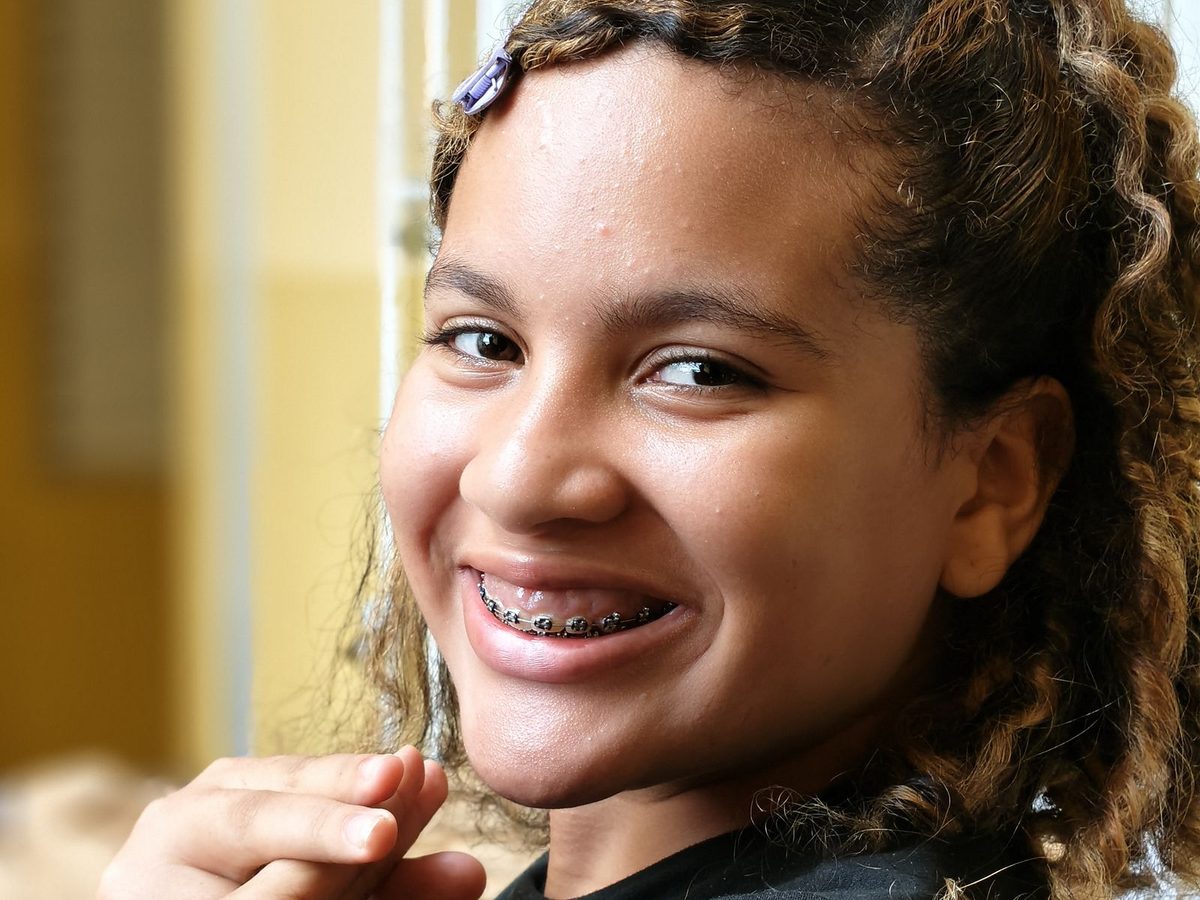
Braces
This pageAlways on, always working
- Always on, so there’s nothing to remember and nothing to lose
- Handle complex bites very well
- Metal, clear (ceramic) or self-ligating brackets
- A few food rules: skip hard and sticky foods
- Easier to spot, though clear braces help with that

Clear aligners
Hard to spot, easy to live with
- Nearly invisible, with no brackets or wires
- Come out to eat, so there are no food rules
- Easy to brush and floss around
- Only work while you wear them, which is nearly all day
- Our preferred brand is Angel Aligners
Either way: a typical case takes about 24 months (yours may be shorter or longer), PPO plans with orthodontic coverage are accepted, and monthly payment plans are available. Not sure which? That’s what the free consult is for.
Braces-off day
What happens when the braces come off?
It’s a great day. The brackets come off, your teeth get polished, and you probably can’t stop looking in the mirror. Then you get retainers, which keep your teeth from drifting back. Wear them as directed and your new smile will stay put.
Your orthodontist
Why get braces from Dr. Salins?
- Board certified: a Diplomate of the American Board of Orthodontics
- Dental doctorate from Harvard, plus orthodontic specialty training and a master’s from UCLA
- Past president of the Southern Alameda County Dental Society
- A face-first approach, so your smile is planned around your lips, chin and profile, not just your teeth
- He sees every patient at every appointment
Also, he’s fun. Patients say so, too.
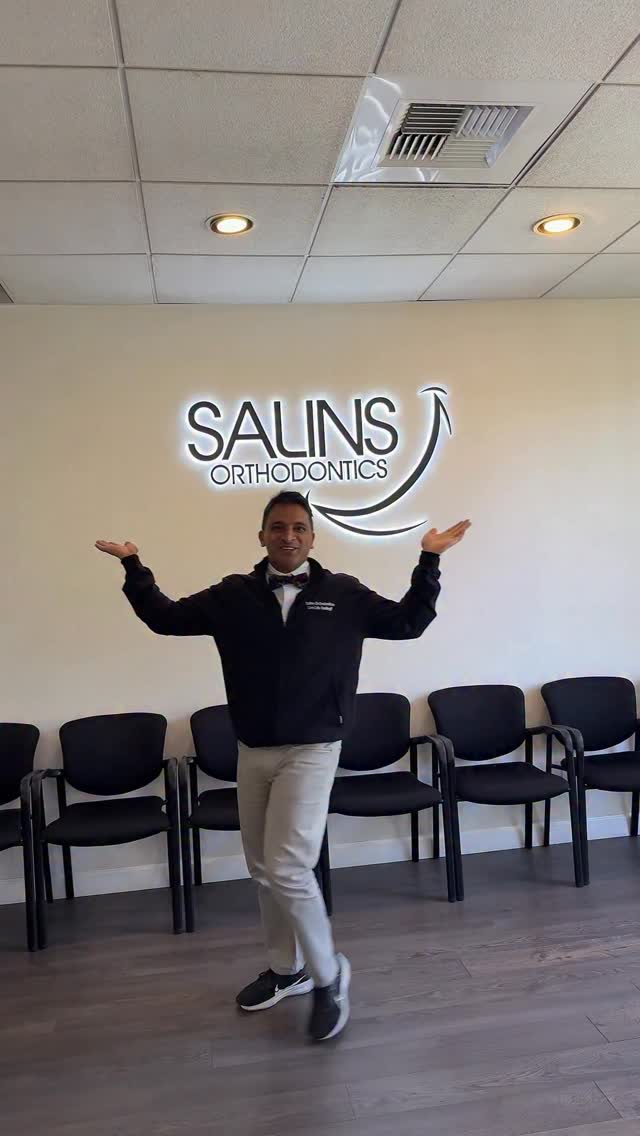
Two offices, same smiling doctor
Pick whichever is closer. Dr. Salins sees patients at both.
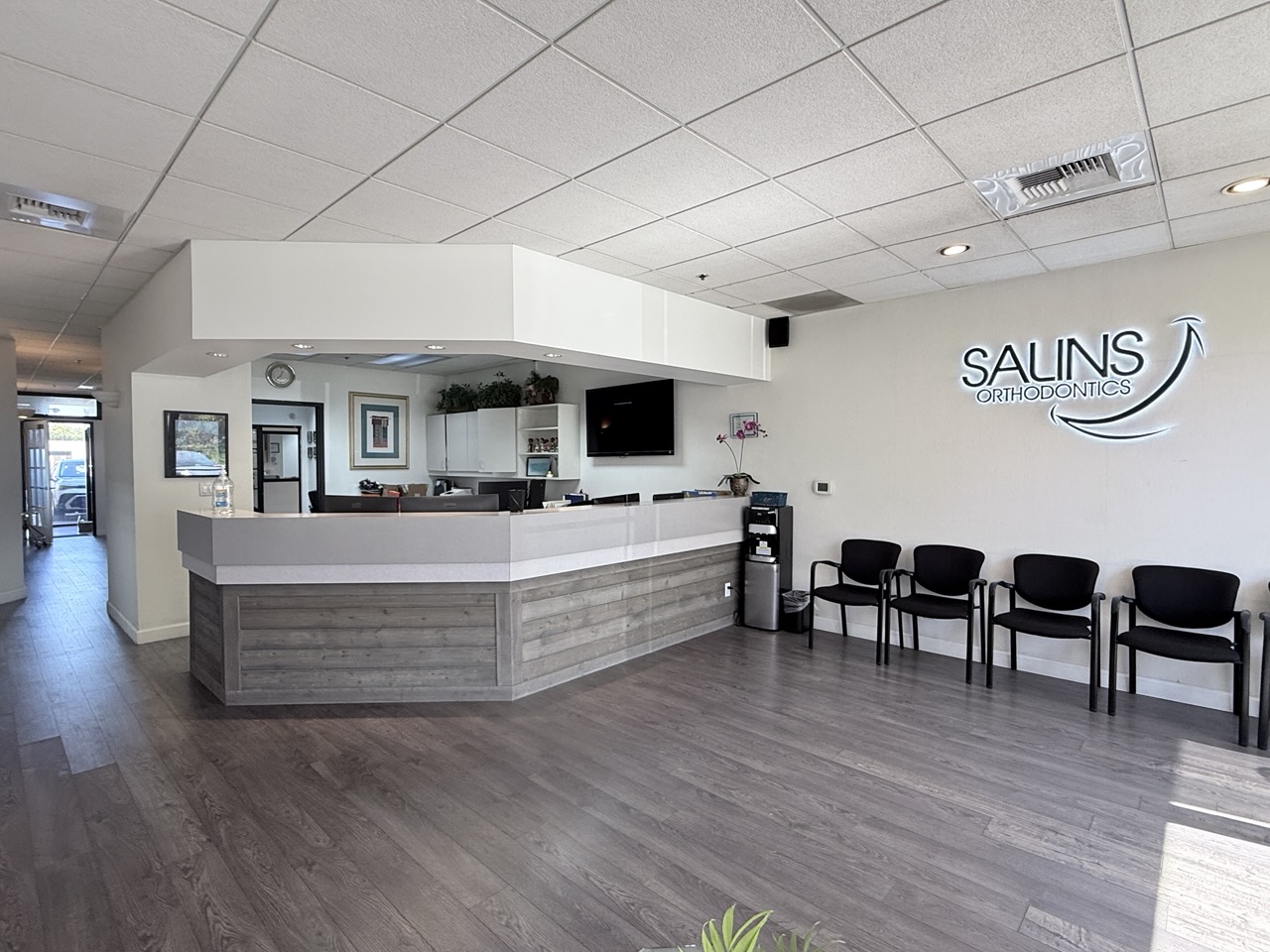
Union City
Serving Fremont, Newark and Hayward
32990 Alvarado-Niles Rd, Suite 950, Union City, CA 94587(510) 475-4153
South San Francisco
Serving Daly City, San Bruno and Millbrae
1405 Huntington Ave, Suite 300, South San Francisco, CA 94080(650) 952-1010Keep exploring
Other treatments
How do I get started with braces?
Book a free consult at whichever office is closer. You’ll meet Dr. Salins and get an exam. You’ll leave with a treatment plan and a timeline. There’s no obligation. The Union City office also serves Fremont.
Free consultation · Exam and treatment plan · No obligation